Unlock Amunra UK Hidden Home Luxury Secrets
There’s a certain magic that happens when you walk into a home that just feels right. The light falls gently, the textures invite touch, and every corner seems to hum with quiet intention. For many, that feeling has always seemed reserved for the pages of glossy interior magazines or the homes of the wealthy. But what if the key to this atmosphere wasn’t about expensive renovations or rare antiques, but about a shift in perspective and a handful of overlooked choices? This is exactly the kind of insight that has been gaining traction among savvy homeowners in the UK, and it’s the philosophy we’re going to explore today. If you’re curious about how to elevate your living space without turning your life upside down, you might want to look into the resources available at https://amunra-casino.co.uk/ for a starting point, though our focus here is purely on the art of home transformation.
The secret, it turns out, isn’t in a single grand gesture. It’s in the accumulation of small, deliberate choices that speak to who you are and how you want to live. Many of us get stuck in a cycle of looking at what’s missing, rather than what’s already there, waiting to be highlighted. This guide is about flipping that switch and uncovering the hidden potential that’s been sitting in your own four walls all along.
The Overlooked Power of Negative Space
One of the first lessons in creating a luxurious feel is learning to embrace emptiness. It feels counterintuitive, especially when we’re often told to fill our homes with interesting objects and bold decor. But true luxury breathes. It allows your eye to rest and your mind to settle. Instead of pushing furniture against every wall, try pulling a few key pieces toward the centre of the room to create intimate conversation zones. Give your statement pieces — that beautiful sofa, the unique sideboard — room to shine on their own.
Consider the visual weight of your walls. A gallery wall crammed with frames can feel chaotic, whereas a single, well-chosen piece of art can create a focal point that anchors the entire space. The goal is not to deprive yourself, but to curate. Intentional restraint is the tool here, and it works wonders in making your home feel more expensive and considered.
Lighting: The Mood Architect You’ve Been Ignoring
We often rely on a single overhead light source, which floods a room with flat, uninspiring light. This is the fastest way to kill any sense of intimacy or warmth. The hidden luxury secret is to think about lighting in layers. You want ambient light for general illumination, task light for specific activities like reading or cooking, and accent light to highlight architectural features or favourite objects.
Start by swapping your bright main bulb for a dimmer switch if possible. This alone changes the entire character of a room. Then, add a floor lamp in a corner to cast soft, upward light, and a couple of table lamps at different heights to create pools of light that draw the eye around the space. Candles, even unlit ones, add a textural element that suggests warmth and hospitality. The interplay of light and shadow is what creates a sense of depth and drama — a hallmark of sophisticated interior design.
Texture as the Ultimate Silent Statement
Luxury isn’t only seen; it’s felt. When you run your hand along a surface, your brain immediately registers quality and comfort. A room filled with smooth, flat, shiny materials can feel sterile and cold. The secret is to mix textures with abandon. Think chunky knit throws on a smooth leather sofa, a nubby wool rug on polished wooden floors, velvet cushions against a linen armchair, and ceramic vases next to woven baskets.
This tactile layering adds an immense amount of richness and visual interest without needing to buy anything expensive. It’s about bringing warmth into the space. Don’t be afraid to combine the old with the new—a rustic, reclaimed wood coffee table alongside a sleek, modern lamp creates a story that is far more intriguing than any matching furniture set. Pay attention to the small details, too: replace plastic handles with brushed metal or ceramic ones, and swap thin, generic curtains for heavier, lined drapes that hang beautifully.
Bringing the Outside In, Deliberately
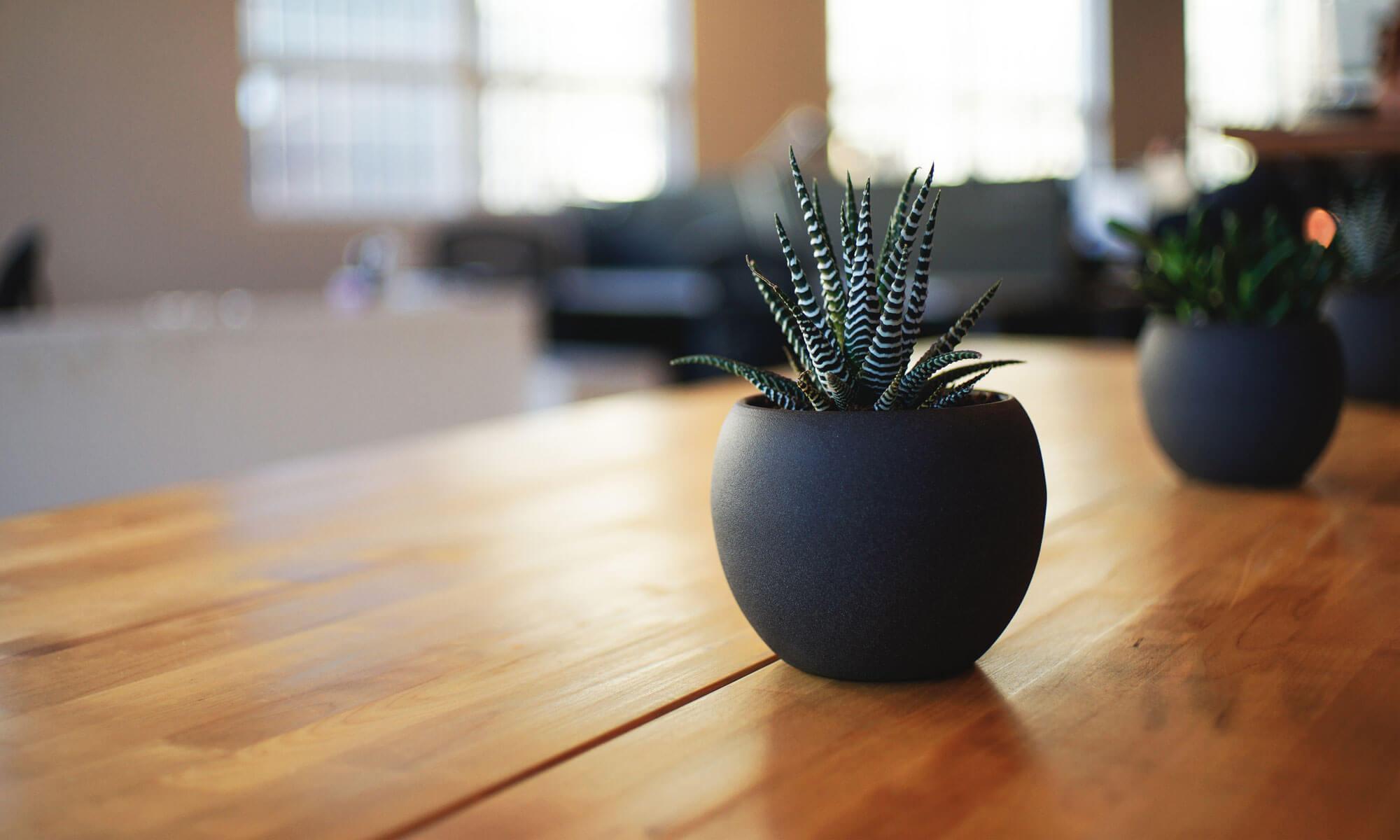
The presence of nature in a home has a profound calming effect. It’s not just about plonking a potted plant on a shelf. It’s about creating vignettes that connect you to the outside world. Instead of scattered, lonely plants, group a few together in varying heights and pot styles. Use natural materials in your decor — think stone, rattan, sea grass, and untreated wood — to add an organic, grounding element.
Consider the power of scent as well. A home that smells pleasant instantly feels more luxurious. This doesn’t mean strong, chemical air fresheners; rather, use subtle methods like simmering a pot of orange peel and cinnamon on the stove, or using a high-quality diffuser with essential oils like lavender, cedarwood, or eucalyptus. Engaging all the senses is what creates a truly immersive and memorable environment.
The Practical Guide to Small Space Luxury
Many UK homes, especially in cities, deal with limited square footage. But luxury is absolutely attainable in a compact space; it just requires more cleverness. It’s about making every inch work harder. Here are a few key takeaways to apply:
- Invest in multi-functional furniture, like a storage ottoman or a sofa bed, to reduce clutter.
- Utilise vertical space with floor-to-ceiling shelving or tall, slim bookcases to draw the eye upward.
- Use large, full-length mirrors to reflect light and create the illusion of more depth.
- Keep surfaces clear. A minimalist approach to countertops and tables instantly makes a space feel larger and more organised.
- Choose furniture with exposed legs to create a sense of openness and airflow beneath.
The most important takeaway is to be patient and enjoy the process. Your home is a reflection of your journey, and it should evolve with you. Don’t rush to finish it; instead, let it grow and change as you learn more about what brings you comfort and joy.
Curated Living vs. Cluttered Accumulation
To truly embrace the hidden luxury secrets, it helps to understand the philosophical difference between a curated home and a cluttered one. It’s not about quantity, but about meaning and quality. Let’s look at a simple comparison:
| Curated Living | Cluttered Accumulation |
|---|---|
| Focuses on items with purpose or story | Holds onto items out of habit or guilt |
| Prioritises quality over quantity | Acquires many, cheaper items |
| Leaves space for breathing and rest | Fills every available surface and corner |
| Regularly edits and removes what’s unneeded | Continuously adds to the collection |
| Creates a calm and intentional atmosphere | Can create a feeling of overwhelm and stress |
Shifting from one mindset to the other is the foundational step in this whole process. It’s a conscious decision to value your space and your peace of mind over the idea of “having more”.
Frequently Asked Questions
Q: Do I need to spend a lot of money to make my home feel luxurious?
A: Absolutely not. Many of the most effective techniques, such as decluttering, rearranging furniture, and mixing textures, are either free or require only a modest investment. Focus on the feel of the space, not the price tag of the items.
Q: What’s the very first step I should take?
A: Start with decluttering. Remove everything from a room that doesn’t serve a purpose or bring you joy. This gives you a clean canvas to work with and immediately makes the space feel lighter and more open.
Q: How can I make a small room feel bigger?
A: Use light, neutral colours on the walls, introduce large mirrors to reflect light, and choose furniture that is appropriately scaled for the space. Avoid heavy, dark pieces that can overwhelm the room.
Q: Is it better to have matching furniture?
A: No. A curated mix of styles, materials, and eras creates a far more personal and interesting space than a matching set. It shows personality and creates a layered, collected look that is the essence of luxury.
Q: How often should I change my decor?
A: There are no strict rules. Some people enjoy refreshing their decor seasonally, while others prefer a more permanent look. The key is to make changes that feel right for you and keep your space feeling fresh and aligned with your current style. Listen to your own preferences and let your home reflect them.